The most comprehensive federal housing legislation in more than three decades is now law. The 21st Century ROAD to Housing Act — a bipartisan package combining more than 60 housing provisions — officially took effect in July 2026. National headlines are calling it historic. But if you own a home in Jupiter, are relocating to Palm Beach Gardens, or are weighing a sale in North Palm Beach, the real question is simpler: what does this actually mean for you?
Here's my honest, local take — no hype, no panic. Just what matters for our corner of Florida.
First, What the Law Actually Does
The ROAD to Housing Act is broad by design. At a high level, it aims to expand housing supply, improve affordability, and modernize federal housing programs. Its provisions range from streamlining environmental reviews for new housing developments to reducing construction costs for manufactured homes, creating a pilot program for small mortgages under $100,000, and — the provision getting the most attention — placing new restrictions on large institutional investors buying single-family homes.
Most of these changes roll out gradually, and many depend on how federal agencies, states, and local governments implement them. This is a multi-year story, not an overnight shift. With that in mind, here are the three angles I'm watching most closely for Palm Beach County.
1. Fewer Corporate Buyers Competing for Single-Family Homes
The headline provision: large institutional investors — defined as entities controlling 350 or more single-family homes — are now generally prohibited from purchasing additional single-family homes, with limited exceptions for certain build-to-rent and renovate-to-rent projects.
What this means if you're relocating here
If you've shopped for a home in a competitive Sun Belt market over the past few years, you may have felt like you were bidding against faceless corporate buyers with cash offers and no inspection contingencies. This law is designed to take the largest of those buyers out of the pool for traditional single-family purchases.
For families relocating to Jupiter, Palm Beach Gardens, Juno Beach, North Palm Beach, or Singer Island, the practical takeaway is directional rather than dramatic: over time, this should mean slightly less institutional competition for the kinds of single-family homes relocating buyers want most. To be fair, institutional ownership in our immediate area has always been lighter than in some other Florida metros — so think of this as a tailwind for individual buyers, not a transformation of our market.
The buyers I work with relocating from the Northeast and Midwest consistently tell me the same thing: they want a fair shot at a home, not a bidding war against a spreadsheet. Anything that tilts the playing field back toward individual families is a welcome development — even if the effect here is gradual.
2. Supply-Side Incentives Could Shape New Construction Locally
The less flashy — but potentially more consequential — side of the law is everything it does to make building homes easier and less expensive:
- Streamlined environmental reviews for qualifying housing projects, which can shorten development timelines.
- Competitive grants for zoning and planning updates, encouraging local governments to modernize land-use rules — participation is voluntary, so local decisions still rule the day.
- Lower manufactured-housing costs, with rule changes expected to trim thousands of dollars from the cost of a new factory-built home.
- A small-mortgage pilot program supporting loans under $100,000 — a meaningful tool for condo buyers and lower-priced segments of the market.
What this could mean for northern Palm Beach County
Our area is one of the most active new-construction corridors in South Florida, with master-planned communities in western Palm Beach Gardens and ongoing development pressure throughout the region. Faster reviews and incentives for updated zoning could — over the next several years — support more housing supply and more design variety in the projects that get built here.
The key word is could. Nothing in this law forces Palm Beach County or our municipalities to change anything. Local zoning decisions remain local. But it puts new tools and funding on the table, and communities that are already growing tend to be the first to use them.
3. Sellers: No Immediate Market Changes — and That's Okay
If you own a home here and you're wondering whether this law changes your value, your timing, or your strategy — the short answer is: not right now, and likely not suddenly at any point.
Housing legislation of this scale works on a timeline measured in years, not weeks. Implementation requires federal rulemaking, state and local participation, and construction cycles that take time to play out. National economists reviewing the law broadly agree its supply effects will be gradual and "at the margin" rather than immediate.
Your home's value today is driven by the same fundamentals it was last month: location, condition, inventory, interest rates, and buyer demand — which in our area is continually refreshed by relocation. There is no reason to rush a sale or delay one because of this law. If a change in your situation is prompting a move, that's the right reason. A headline isn't.
The Bottom Line
The 21st Century ROAD to Housing Act is meaningful, bipartisan, and worth understanding — and its most important local effects will unfold slowly. Individual buyers get a modest structural advantage over the largest corporate purchasers. Builders get tools that could support more supply in growth corridors like ours. And sellers can take a deep breath: the fundamentals of the Palm Beach County market haven't changed this week.
As always, I'll keep tracking how these provisions are implemented and what they mean on the ground in Jupiter, Palm Beach Gardens, Juno Beach, North Palm Beach, and Singer Island. When federal policy meets our local market, you'll hear it here first.
Making a Move in 2026?
Whether you're relocating to Palm Beach County or planning your next chapter here, let's talk about what today's market — and tomorrow's — means for your specific situation.
Book a Relocation Strategy Call Schedule a Consultation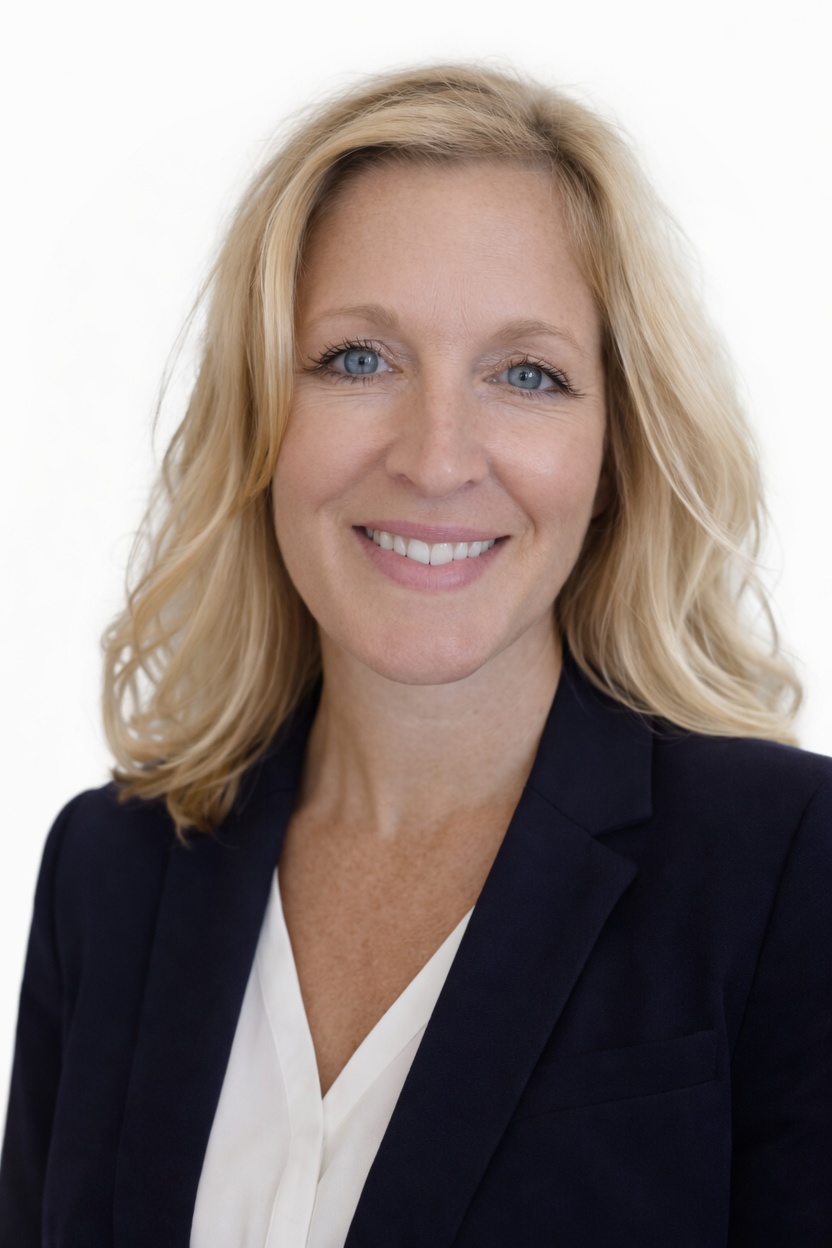
Amanda Sweetz, REALTOR® | SRS | CPRES
Amanda is a REALTOR® with Keller Williams Realty of the Palm Beaches, serving Jupiter, Palm Beach Gardens, Juno Beach, North Palm Beach, and Singer Island. With nearly a decade of paralegal experience and specialized certifications in probate and seller representation, Amanda brings legal-minded precision to every transaction. Your Next Chapter Is Your Best™. Call or text (561) 517-6054 or email amandasweetz@kw.com.